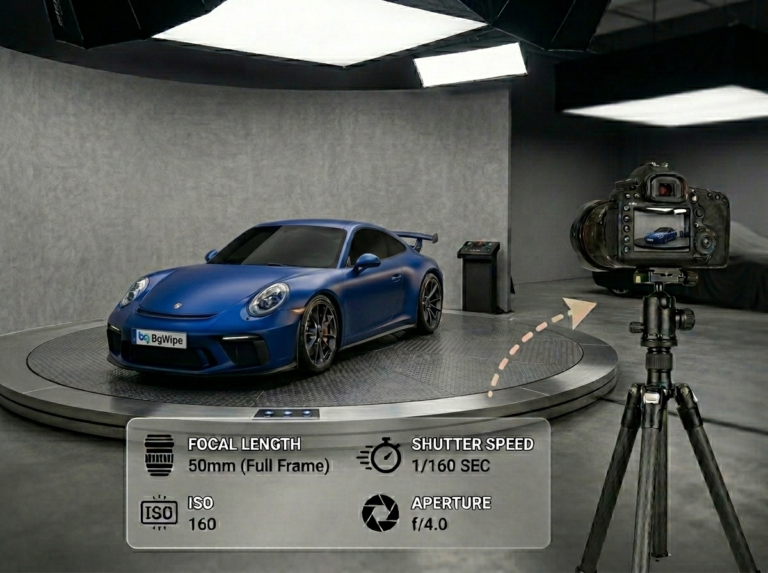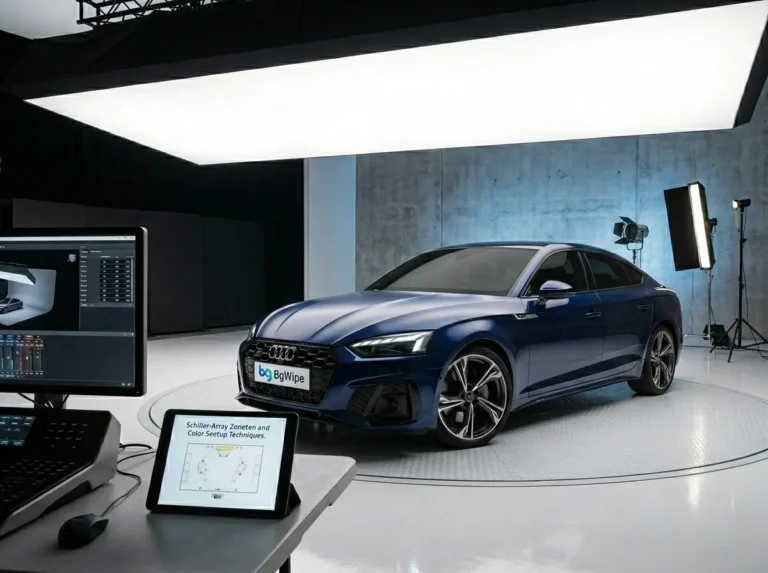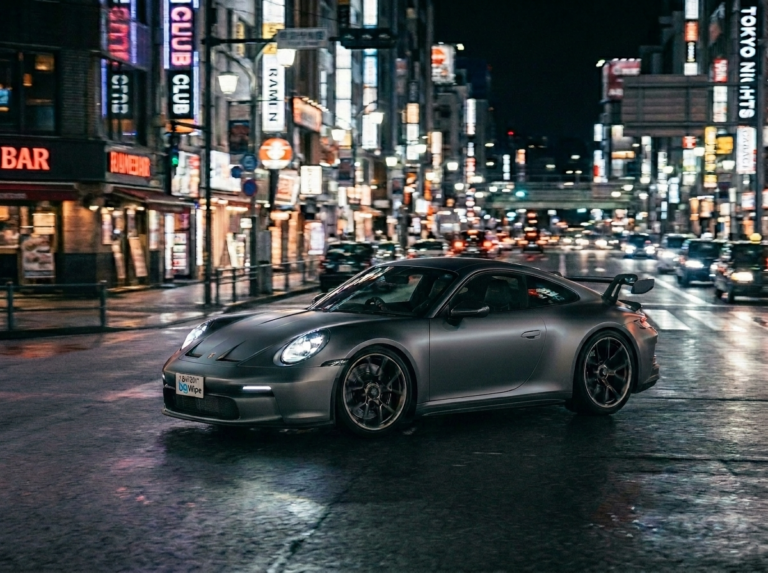

When was the last time you clicked on a car listing because of a poor-quality photo? Exactly, you didn’t. In today’s competitive automotive market, dealership photography isn’t just nice to have, it’s essential. Studies show that nearly 90% of car shoppers are influenced by photo quality when deciding which dealership to contact. For used car dealership owners across the USA, mastering car dealership photography can be the difference between moving inventory quickly and watching your lot gather dust.
This comprehensive guide explores everything you need to know about car dealership photography, from essential techniques and professional services to maximizing your sales potential.
What is Car Dealership Photography?
Car dealership photography is the process of capturing professional, consistent images of vehicles, both new and used, to support online listings, marketing, and sales. It goes beyond just snapping a few pictures on the lot. It involves choosing the right angles, lighting, and backgrounds so that every vehicle looks its best while accurately representing its condition.
This matters more than ever. Over 90% of car buyers start their search online, and your photos are the first impression they get of your inventory, and your dealership. Poor-quality images don’t just look unprofessional; they actively push shoppers toward competitors who present their vehicles better.
For used car dealerships especially, transparency is key. Buyers want to see real details, interior condition, tire wear, any cosmetic imperfections. Good dealership photography builds that trust upfront, reduces back-and-forth questions, and gets serious buyers through your door faster.
7 Key Car Dealership Photography Tips & Techniques
You don’t need a $25,000 studio or a professional photographer on staff to get great inventory photos. What you do need is a repeatable process. Here are the techniques that consistently produce results for dealerships.
1. Prep the Vehicle First
This sounds obvious, but it’s skipped more often than you’d think. Wash the exterior, dress the tires, wipe down the dashboard, and remove all personal items from the interior. A clean car photographs dramatically better, and signals to buyers that your dealership pays attention to detail. Reset the trip computer, clear saved Bluetooth devices, and make sure the fuel gauge isn’t sitting on empty.
2. Pick a Consistent Shooting Location
Background matters more than most dealers realize. A cluttered lot full of other vehicles, trash bins, and foot traffic makes your inventory look disorganized. Find one clean, well-lit spot, a plain wall, a quiet corner of the lot, or an open area with minimal distractions, and shoot every vehicle there. Consistency across your listings builds a professional brand image that buyers notice, even if subconsciously.
3. Nail the Lighting
Shoot during early morning or mid-afternoon when natural light is soft and even. Avoid midday sun, it creates harsh shadows and glare on windshields and paint. If you’re shooting outdoors, keep the sun at your back. For indoor setups, use continuous LED panels and diffuse the light to avoid hotspots on reflective surfaces.
4. Follow a Structured Shot Sequence
Don’t wing it. A consistent photo sequence ensures you never miss key angles and keeps your listings uniform. Start with the 45-degree front-corner “hero” shot, this is the image that sells the click. Then work through full-side, rear-corner, and straight-on exterior shots. Move to close-ups of wheels, headlights, taillights, and any special badging. For interiors, work back seat to front: rear seating, dashboard, center console, steering wheel, and odometer. Aim for 25–30 images per vehicle.
5. Shoot at Eye Level, then Experiment
Eye-level shots give buyers a realistic, honest view of the vehicle. That said, a low-angle shot can make a truck or SUV look more commanding, while a slightly elevated angle works well for sedans. The key is keeping your primary listing shots consistent and using creative angles as supplements for social media or featured listings.
6. Capture the Details that Sell
Every feature is a potential selling point, navigation screens, leather seats, sunroofs, third-row seating. For used car dealership photography, transparency is just as important: photograph scratches, dents, or wear honestly. Buyers will find them anyway during the test drive, and hiding damage destroys trust faster than anything else.
7. Edit Smart, Not Heavy
Post-processing should enhance, not deceive. Adjust brightness, contrast, and white balance to make colors accurate. Use AI-powered tools to replace messy backgrounds with clean, professional ones, add natural-looking shadows, or mask license plates. Avoid over-saturating colors or smoothing out imperfections, today’s buyers value authenticity over perfection.
Top 8 Professional Services & Tools for Car Dealership Photography
The right tools can turn a time-consuming photography workflow into a streamlined, repeatable process. Whether you need full-service on-site photography or a software solution your team can run in-house, here’s top car dealership photography companies and tools worth looking at.
AI-Powered Photo Editing Tools
1. BgWipe
BgWipe PhotRoom is an AI-driven car photo editing platform built for dealership workflows. It handles the most time-consuming parts of post-production in seconds, background replacement, number plate masking, reflection removal, shadow generation, and window tinting. Instead of spending hours in Photoshop or paying per-image editing fees, dealers can upload lot photos and get clean, listing-ready images with professional backgrounds almost instantly. It’s particularly useful for used car dealerships that photograph inventory outdoors in inconsistent conditions and need polished results without a physical studio setup.
2. Spyne
Spyne offers a smartphone-based guided photography app combined with AI editing to transform your lot cars to virtual car showroom. It provides 100+ virtual backgrounds, 360-degree spin creation, and automated image enhancement. It’s widely used across dealerships and marketplaces globally.
3. Autofox
They focus on speed and DMS integration. Its app guides photographers through a predefined shot sequence, then the AI removes backgrounds, places the car in a custom virtual showroom, and automatically syncs images to your DMS or website via API.
4. Remove.bg
It is a popular background removal tool with a car-specific workflow. It handles bulk editing through its desktop app and offers API integration for high-volume dealers. It’s a solid option for dealerships that primarily need background replacement without the broader editing features.
5. MotorCut
They provide automated background replacement with branded templates, designed specifically for car dealers who want a consistent look across their online inventory.
Managed Photography Services
6. Dealer Image Pro
They provide a comprehensive in-house solution for automotive dealership photography, their Photo Assistant app runs on iPads with patented wireframe overlays that guide any employee through a consistent photo sequence. Images sync to their Autoport platform for AI editing and feed distribution.
7. Dealer Specialties
It offers on-site photography services through their RapidLot software. Their photographers come to your lot, shoot, edit, and publish, averaging around three minutes per vehicle. They also provide car retouching, 360-degree spins and AI background removal.
8. OnSite Dealer Solutions (ODS)
They specializes in on-site staging and AI-powered photography that produces clean, consistent images regardless of weather or lot conditions.
6 Common Mistakes That Hurt Your Car Dealership Photos
Even dealerships that invest in decent equipment often sabotage their listings with avoidable errors. Here are the ones that cost you clicks and sales.
1. Shooting on a Messy Lot
This is the single most common mistake. Other vehicles, trash bins, cones, and foot traffic in the background make your listings look disorganized. It doesn’t matter how clean the car is, if the setting looks chaotic, buyers scroll past. Designate one clean, consistent photo spot and use it for every vehicle.
2. Ignoring Lighting Conditions
Shooting under harsh midday sun creates glare on windshields, washes out paint colors, and throws deep shadows underneath the vehicle. Overcast skies or early morning light produce far more even, accurate results. If you’re stuck shooting midday, at least position the car so the sun is behind the photographer, not reflecting off the hood.
3. Skipping Vehicle Prep
Dirt on the exterior, smudged windows, dealer tags still hanging from the mirror, personal items left on seats, these details show up clearly in photos and signal carelessness to buyers. A five-minute cleanup before each shoot makes a noticeable difference.
4. Inconsistent or Too Few Photos
Listings with eight random photos from different angles don’t give buyers enough information to take the next step. Aim for 25–30 structured images per vehicle, following the same sequence every time. Inconsistency across your inventory makes your dealership look disorganized online.
5. Hiding Damage on Used Vehicles
It’s tempting to skip the photo of a dent or stained seat, but buyers will find it during the test drive, and they’ll question everything else you showed them. Transparency in your used car dealership photography builds trust and reduces wasted showroom visits from buyers who feel misled.
6. Reflections and Photographer Shadows
Glossy paint and windows pick up everything, the photographer, nearby buildings, other cars. Check reflective surfaces before each shot and adjust your position accordingly. This small habit eliminates one of the most common signs of amateur dealership car photography.
How Car Dealership Photography Directly Impacts Sales?
The connection between photo quality and sales isn’t theoretical, the data is clear. Nearly 90% of car shoppers say quality photos influence whether they engage with a listing at all. Upgrading from stock images to real, high-quality vehicle photos can increase Vehicle Detail Page traffic by over 600%, according to industry benchmarks.
For dealerships, every day a vehicle sits on the lot unsold costs money, estimates put that figure at $50 or more per day per vehicle. Professional, detailed images help buyers make faster, more confident decisions, which directly reduces days-to-turn. Listings with more high-quality photos also tend to command higher sale prices, because buyers perceive the vehicle, and the dealership, as more trustworthy.
This is where car dealership inventory photography pays for itself. When a buyer can clearly see the navigation screen, the condition of the seats, and even the tread on the tires from your listing photos, they show up ready to buy, not just to look. Fewer tire-kickers, faster turns, better margins.
How Does BgWipe Help Auto Dealers with Car Dealership Photography?
Most dealerships don’t have the luxury of a controlled studio environment. Cars get photographed on crowded lots, under inconsistent lighting, with other vehicles and clutter in the background. BgWipe’s PhotoRoom is built to solve exactly that problem.
BgWipe AI-powered background replacement turns any lot photo into a clean, studio-quality image, no physical booth or setup required. Shadow generation adds realistic depth so vehicles don’t look like they’ve been awkwardly pasted onto a white canvas. Reflection removal cleans up distracting elements that show up on glossy paint and windows, while window tinting ensures interior reflections and clutter visible through glass don’t undermine an otherwise polished image.
For dealerships operating in states with strict privacy regulations, the automatic number plate masking is a practical time-saver, no manual blurring in Photoshop required.
The result is consistent, professional-looking inventory photos across your entire catalog, whether you’re shooting ten vehicles a week or a hundred. For used car dealerships especially, where every listing competes against thousands of others online, that visual consistency can be the difference between a click and a scroll-past.
Conclusion
Car dealership photography isn’t a nice-to-have anymore, it’s a core part of how you sell vehicles online. The dealerships that treat their listing photos as a serious sales tool consistently move inventory faster, command better prices, and build stronger buyer trust. The good news is that you don’t need expensive equipment or a professional photographer to get there. A smartphone, a repeatable process, and the right AI editing tools like BgWipe can close the gap between amateur lot photos and studio-quality listings. Start with your next vehicle on the lot for free with BgWipe PhotoRoom, the results will speak for themselves.